

 See My Latest Article on HelloNation
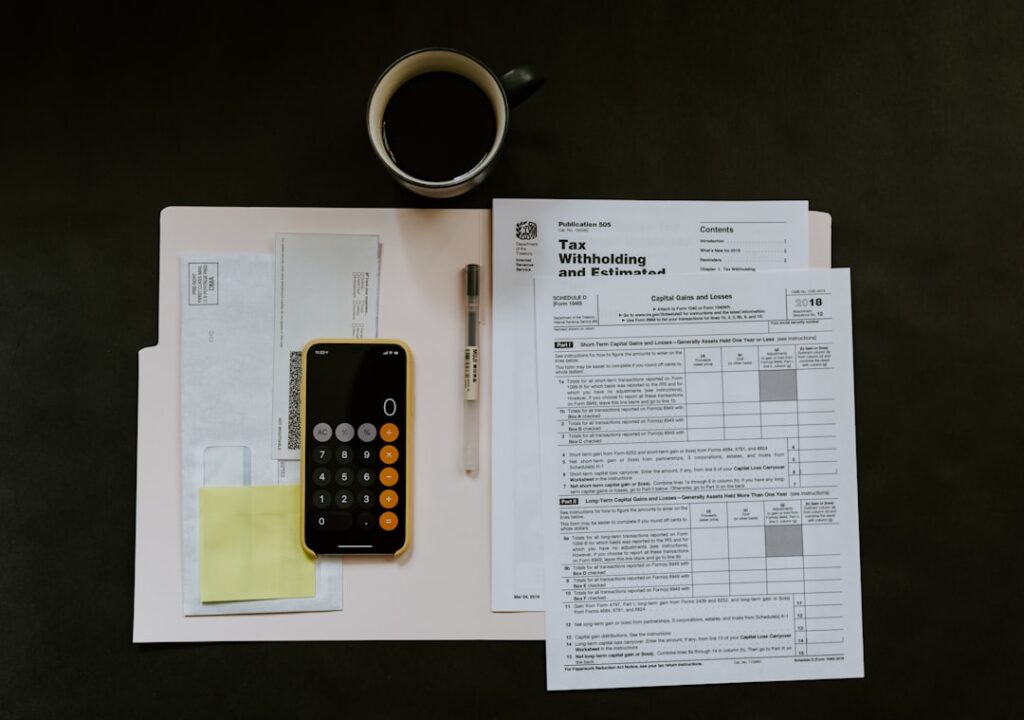
How Many Years Should Rochester, NY Residents Keep Tax Records?
Most people living in Rochester, NY should keep personal federal and New York State tax records for at least three years from the date those returns were filed. This time frame generally aligns with the IRS’s and New York State Department of Taxation’s usual period to audit or question a return.
Why three years? This period covers the typical statute of limitations for both federal and state tax authorities to review your filings, request supporting documents, or assess additional taxes.
When Might You Need to Keep Records Longer?
Certain situations require holding onto tax documents for more than three years. Consider extending your record retention in these cases:
- Omitted Income: If you failed to report income that’s more than 25% of what’s shown on your return, the IRS and New York State can go back six years.
- Fraudulent Returns: No limit applies if there’s suspected fraud or if a return wasn’t filed at all. Both agencies can review records indefinitely in such cases.
- Property and Asset Records: For real estate and significant investments, like a home in Rochester’s suburbs or stocks, retain documents for as long as you own the asset plus three years after it’s sold. This helps verify your cost basis, capital gains, and eligible deductions related to local property taxes, improvements, or sales.
- Employment Tax Records (if you have household help): Those with household employees, such as live-in aides, should retain employment tax records for at least four years after the due date of the employment taxes, or after those are paid, whichever is later.
Which Documents Count as “Tax Records”?
Tax records go beyond just your tax return form. For a typical Rochester household, include:
- Filed tax returns (both federal and New York State)
- W-2s, 1099s, and other income statements
- Year-end statements from banks, brokers, and retirement accounts
- Receipts for deductible expenses (such as mortgage interest, charitable gifts, or childcare inherent to local family routines)
- Records of health insurance coverage (especially relevant since New York State has its own requirements)
- Property records, closing statements, and proof of home improvement costs
For self-employed residents or those with rental properties, add business receipts, mileage logs, and records of income and expenses.

Are Digital Copies Acceptable?
Yes, both federal and New York State tax authorities accept electronic copies of tax documents as long as they’re accurate, readable, and can be produced if requested. Many area households scan their documents and store them on secure cloud services or external drives as part of yearly spring cleaning routines. Just be sure digital copies are backed up and clearly labeled by tax year.
For especially critical records—such as home sale paperwork or records of large local charitable donations—consider keeping both paper and digital versions for added security.
What Happens if You Toss Records Too Soon?
Discarding tax documents early could leave you unable to provide required evidence if audited or if local authorities question something on a past tax return. For example, if the city’s tax authority investigates inconsistencies related to STAR property tax exemptions or state rebate programs, lacking supporting documentation can delay or complicate a resolution.
Not having proper records may also mean losing out on certain deductions, credits, or property cost basis that could lower your tax bill when selling assets.
What About Local Factors Like Floods or Winter Risks?
Rochester’s winter weather and periodic flooding mean important paper records can face unique risks. Store hard copies off the basement floor or away from garages, and use waterproof bins or fire safes when possible. For those who travel south for the winter, cloud backups ensure access to records even while away from the area.
How Do Recordkeeping Rules Differ for Rochester, NY Businesses?
Small businesses and side hustles based in Rochester need to retain employment and income tax records for at least four years. Sales tax return documentation should also be kept for a minimum of three years after filing. Given state and local incentives or audit risks, business owners often find it helpful to keep records even longer to address any issues that might arise related to local grants, credits, or property improvement tracking.
What Can Be Shredded, and When?
Once the appropriate time frame has passed and any local refund issues or audit windows are closed, securely dispose of old tax documents—shredding them protects sensitive information from identity theft. Rochester neighborhoods sometimes offer periodic shredding events, usually during spring or late summer, coinciding with typical household cleanout patterns.
Review your files each year after filing new returns and move older records to long-term storage or shred unnecessary paperwork according to the above time frames.