

 See My Latest Article on HelloNation
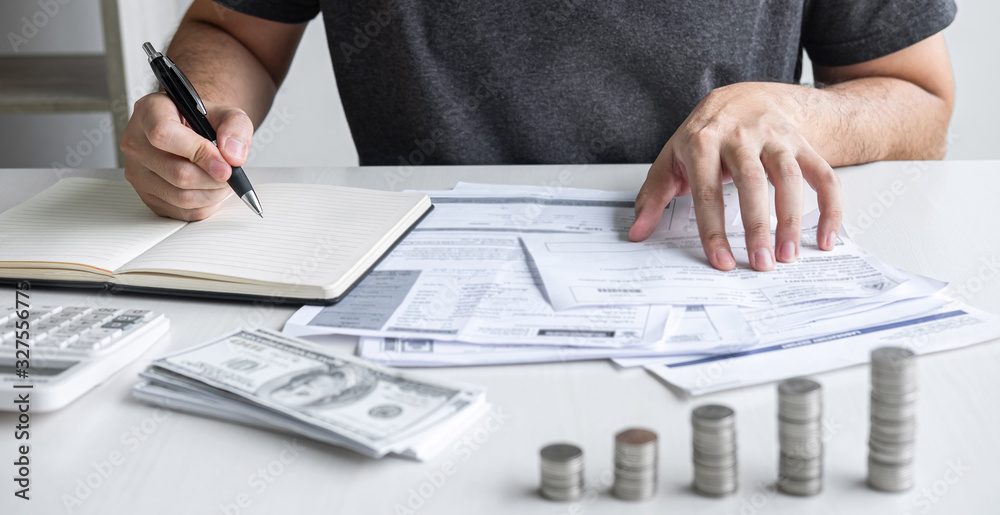
An emergency fund is money set aside for necessary, unexpected expenses. It helps a household pay for a problem without relying entirely on credit cards, loans, retirement accounts, or money intended for regular bills.
For residents of Rochester, NY, an emergency fund can be especially useful because household costs may change with the seasons. Heating problems, winter-related transportation repairs, storm damage, medical expenses, and temporary reductions in work hours can all place pressure on a budget with little warning.
What is a financial emergency fund?
A financial emergency fund is a separate reserve of cash for expenses that are urgent, necessary, and difficult to predict. It is not intended for routine spending, entertainment, planned gifts, or regular annual bills.
Common uses include:
- A major vehicle repair needed for transportation
- Emergency plumbing, heating, or electrical work
- Medical bills, prescriptions, or dental treatment
- A temporary loss of income
- Essential travel caused by a family emergency
- Replacing a broken appliance that the household depends on
- Insurance deductibles after covered damage
The purpose is not to predict every possible problem. The purpose is to create enough financial flexibility to respond without immediately disrupting housing, food, utilities, transportation, or other basic needs.
How much should an emergency fund contain?
A practical starting point is $500 to $1,000, followed by a longer-term goal of three to six months of essential living expenses. The right amount depends on income stability, household size, health needs, transportation requirements, and access to other resources.
Essential expenses generally include:
- Rent or mortgage payments
- Utilities and communication services
- Groceries and basic household supplies
- Transportation costs
- Insurance premiums
- Minimum debt payments
- Childcare or other necessary care
- Medical and prescription expenses
A household with one income, variable work hours, limited family support, or high monthly obligations may need a larger reserve. Someone with stable income and low fixed expenses may be able to begin with a smaller target.
The goal should be based on actual monthly needs rather than a round number copied from a general rule. Reviewing several months of bank statements can help identify the amount required to maintain basic household operations.
Why is an emergency fund useful in Rochester?
Seasonal conditions can affect household finances in ways that are easy to underestimate. Cold weather can increase heating costs, and snow and ice can contribute to vehicle repairs, property damage, or delays that interfere with work schedules.
Older homes may also require unexpected maintenance. A malfunctioning furnace, frozen pipe, roof leak, or water heater failure can become urgent during colder months. Even when insurance applies, the deductible and immediate out-of-pocket costs may still be significant.
Transportation is another consideration. Many residents rely on a personal vehicle for work, school, medical appointments, and household errands. A repair that prevents driving may affect income as well as create a direct expense.
These risks do not mean every household needs a very large reserve immediately. They do mean that a separate savings cushion can be a sensible part of a local household budget.
Where should emergency savings be kept?
Emergency savings should be safe, accessible, and separate from everyday spending money. A federally insured savings account is commonly used because the balance is generally available without selling investments or waiting for market conditions.
The account should not be so easy to spend that it becomes part of the normal checking balance. A separate account can create a useful pause before money is withdrawn.
Emergency savings usually should not be placed in investments that can lose value over a short period. Retirement accounts, stocks, and other long-term assets may fluctuate when the money is needed most. The emergency fund has a different job: preserving access and stability rather than seeking maximum growth.
Keeping a small amount of cash at home may be reasonable for short-term disruptions, but large amounts of cash can be lost, stolen, or damaged. Most of the reserve is generally safer in a protected financial account.
How can someone build an emergency fund on a limited income?
Building an emergency fund does not require large deposits. Consistency matters more than starting size.
Possible approaches include:
- Transferring a fixed amount after each paycheck
- Saving a portion of tax refunds, bonuses, or irregular income
- Directing money from a canceled subscription toward savings
- Depositing part of a gift or one-time payment
- Starting with $5, $10, or $25 per week
- Increasing the amount after a debt is paid off
A separate savings account can make progress easier to track. Automatic transfers may help, but the amount should be small enough to avoid overdrafts or missed bills.
A useful early milestone may be the cost of one common emergency, such as a vehicle repair or insurance deductible. After reaching that amount, savings can continue toward one month of essential expenses and eventually a larger reserve.
Should debt be paid off before saving?
Most households benefit from doing both, although the balance may change over time. High-interest debt can grow rapidly, but having no savings at all can force a household to borrow again when an unexpected expense occurs.
A reasonable approach may be to build a starter emergency fund first, then direct additional money toward expensive debt while continuing smaller savings contributions. After high-interest balances are reduced, more money can be directed toward the emergency reserve.
The correct order depends on interest rates, income reliability, required payments, and the likelihood of near-term expenses. A household facing a known repair, medical need, or job change may reasonably prioritize accessible savings even while making required debt payments.
What is the difference between emergency savings and planned expenses?
An emergency fund is for unexpected needs. Planned expenses should generally be handled through separate savings categories.
Examples of planned costs include:
- Annual insurance premiums
- Property taxes
- Holiday spending
- School expenses
- Vehicle registration
- Routine maintenance
- Home improvement projects
- Seasonal utility increases that can be estimated
Separating these categories prevents a predictable bill from being treated as an emergency. It also makes the emergency reserve more reliable when a genuinely unexpected problem occurs.
For example, replacing worn tires is usually a planned maintenance expense, even if the exact month is uncertain. A sudden transmission failure may be an emergency. Both require savings, but they are best tracked separately.
Does an emergency fund affect taxes?
Deposits into a personal emergency fund are generally transfers of already-earned money, not a tax deduction. Interest earned in a savings account may be taxable income, depending on the account and the person’s tax situation.
Emergency savings should also not be confused with business reserves, retirement contributions, health savings arrangements, or accounts with special tax rules. Keeping personal and business funds separate helps maintain clearer records and avoids using money for one purpose to cover another without documentation.
For recordkeeping, it can be useful to label transfers clearly and review account activity regularly. A simple household budget showing contributions, withdrawals, and the reason for each withdrawal can make future financial decisions easier.
When should an emergency fund be used?
The fund should be used when an expense is necessary, unexpected, and difficult to cover from normal monthly income. It should not be treated as an unrestricted second checking account.
Before withdrawing, ask:
- Is the expense necessary?
- Is it urgent or reasonably time-sensitive?
- Was it difficult to predict?
- Can the cost be reduced, delayed, or paid from a planned savings category?
- Will using the fund affect rent, food, utilities, or required payments?
Using the fund is not a failure. That is what it is designed for. Afterward, the priority is to rebuild the balance gradually and review whether the original target still reflects current household circumstances.
A financial emergency fund provides more than money for a repair or unexpected bill. It gives a household time to make decisions carefully, protect essential expenses, and avoid turning a temporary problem into long-term financial strain.